June marks PTSD Awareness Month. It’s a chance for all of us to pause and talk openly about something that affects many Australian veterans: post-traumatic stress disorder (PTSD).
PTSD isn’t about weakness or failing to cope; it’s a very human response to experiences that were overwhelming and hard to process. If any of this resonates with you, please know you’re not alone. There’s genuine help available, and things can get better.
What PTSD can actually feel like
Many veterans share that PTSD doesn’t always look like the typical flashbacks or nightmares portrayed on TV. Often, it’s subtler more about how you feel day-to-day or how you react to everyday situations.
You might find yourself constantly alert, unable to relax even when logically you know you’re safe. Perhaps you snap at loved ones for no clear reason, or maybe you’ve felt distant or disconnected from people around you. Many veterans describe feeling numb, exhausted, or struggling with sleep, concentration, or a persistent sense of guilt or shame.
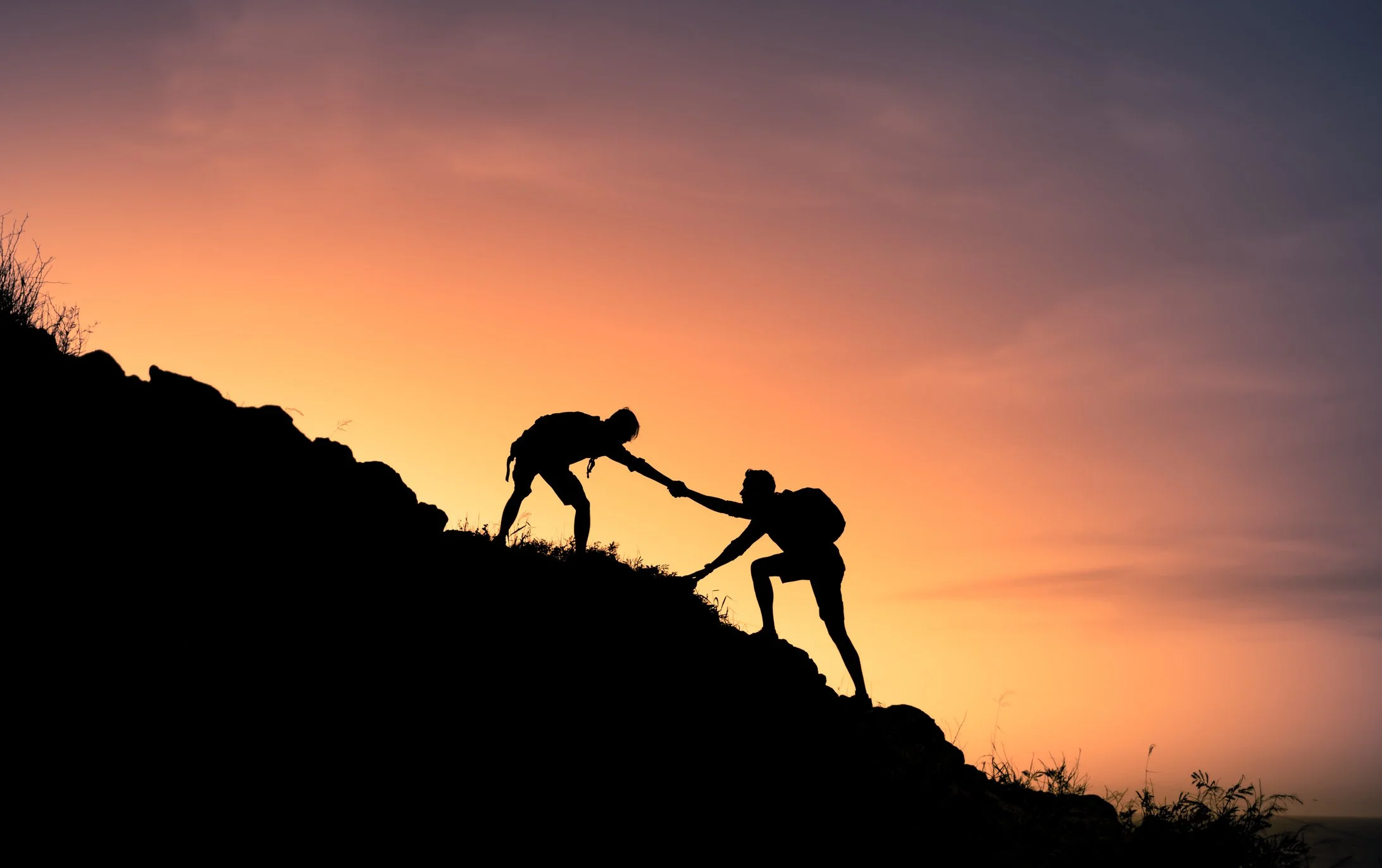
Some say it’s like being stuck in survival mode, unable to shift gears back into everyday life. No matter what form PTSD takes for you, it’s not something you need to manage alone. Understanding what’s happening is the first step towards feeling better.
Treatment can help, and there’s more than one way
PTSD recovery doesn’t have a single path. Therapy works well for some; others benefit from medication, peer groups, or a combination of strategies. The most effective approach is the one you’re comfortable with and willing to follow through on.